| |

|
|
|
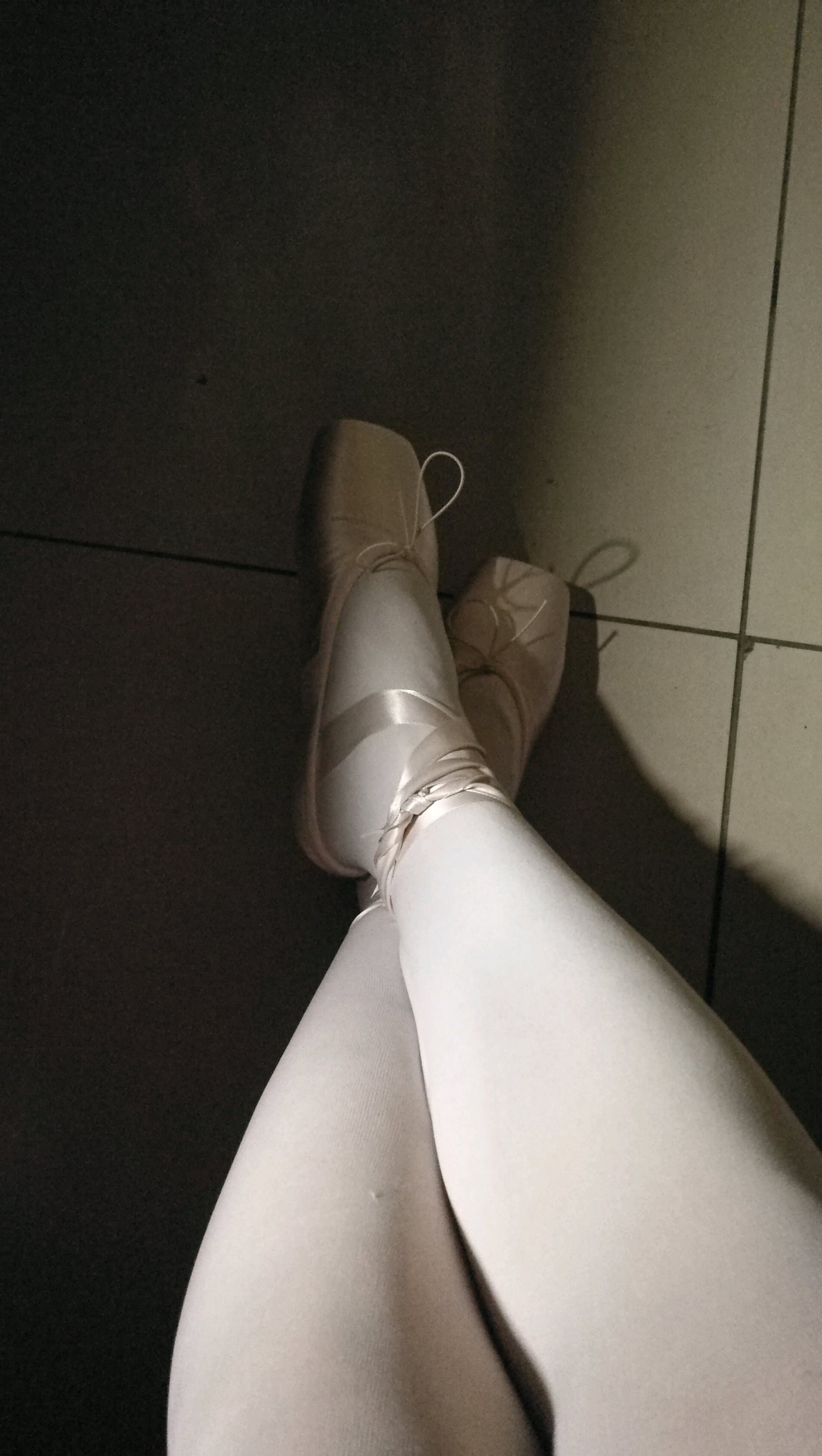
Caressing the imagination, the sight of a dancer standing en pointe reveals a complex mix of grace and endurance that can be deeply evocative for adult admirers of feet and hosiery. Long hours on tiptoe change the foot—softening pads, reddening toes, and imprinting the contours of the shoe into the skin, creating a vulnerable and intimate portrait of effort. Observers who appreciate stockings, tights, or bare feet may find the slightly battered satin of pointe shoes, the traced lines of swollen arches, and the faint dust of the studio intensely attractive. This process of conditioning, though painful, becomes part of an alluring narrative: sacrifice transformed into beauty, and the worn satin or frayed ribbons acting as evidence of commitment. Imagining the dancer removing shoes after class—socks damp, skin flushed—can stir gentle fantasies of closeness, care, and tactile appreciation. It’s a reverent celebration of an adult body’s dedication, the textures of tights and shoes, and the private rituals that follow performance, all seen through a lens of sensual curiosity. |
|

Scan to Download the APP